Sweat to the Hook, Recover to the Verse
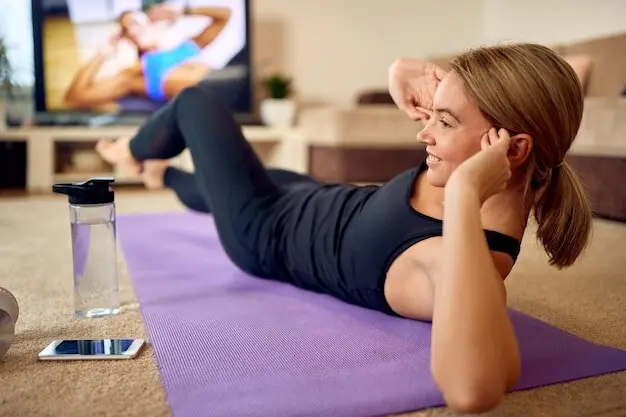
Today we dive into chorus-interval workouts, using song hooks as high-intensity timers to unlock focused effort without staring at a stopwatch. By sprinting during catchy refrains and easing off in verses, you transform familiar tracks into precise work and rest cues, turning playlists into structured training. Expect smarter pacing, thrilling motivation spikes, and a measurable way to progress week by week while keeping every session fun, memorable, and refreshingly simple to follow.

Neuromusic meets physiology

Popular refrains light up memory and reward pathways, boosting dopamine and sharpening focus. When your favorite hook arrives, your body anticipates effort, priming muscles and motor patterns. This predictable surge pairs beautifully with anaerobic intervals, helping you hit challenging zones consistently. Over time, the familiarity enhances confidence, reduces hesitation, and makes repeated high-output efforts feel more attainable, even on days when motivation is low and discipline must quietly carry you forward.

Natural interval lengths

Many choruses last around twenty to forty-five seconds, a sweet spot for high-intensity bursts. Verses or bridges commonly extend long enough to support meaningful recovery without wasting momentum. This organic sequencing mimics tried-and-true interval blueprints, simplifying programming decisions. You get a sustainable dose of intensity, feasible rest, and an easy way to compare effort between songs, artists, or genres, turning subjective tempo changes into practical training structure across weeks and measurable, enjoyable cycles.

Attention and perceived exertion

During difficult moments, your attention narrows, and time can feel distorted. Hooks refocus your mind externally, making hard efforts feel shorter and more tolerable. This attentional shift helps you preserve form and finish sprints stronger. When recoveries arrive with verse changes, you instinctively downshift without overthinking. The result is a grounded sense of flow, where musical signposts quietly handle pacing, enabling you to breathe, reset, and confidently prepare for the next decisive push.

Playlist Architecture that Works While You Work

Technique and Safety During Hook Sprints

High-intensity efforts should feel powerful, not chaotic. Establish clean mechanics during warm-ups, then maintain posture, cadence, and controlled aggression when the chorus hits. Focus on relaxed shoulders, aligned hips, and strong foot or pedal contact. Keep breaths rhythmic and eyes scanning ahead. If the hook runs long, taper the final seconds slightly to preserve form. Build durability gradually, respect surfaces and equipment, and always prioritize quality over ego, because smart execution multiplies benefits and minimizes setbacks.

Running form under pressure

As the refrain explodes, lean subtly from the ankles, not the waist. Drive knees forward, maintain quick, light steps, and keep arms compact to avoid wasted motion. Land beneath your center to reduce braking forces. If fatigue compromises posture, shorten stride while elevating cadence. During verses, reset with tall alignment and deep exhales. Over weeks, this disciplined approach will sharpen economy, protect shins and calves, and help you finish every hook with springy, confident precision.

Cycling power without thrash

When the chorus arrives, lock your hips, engage your core, and keep a steady upper body. Apply power smoothly through the full pedal circle, avoiding frantic accelerations that spike heart rate without producing useful output. Adjust resistance a notch to meet the hook’s demand, then lighten slightly as verses begin to encourage active recovery. Use a relaxed grip, monitor cadence, and listen for chain feedback. Consistent feel beats reckless torque, preserving joints while producing satisfying, repeatable gains.

From First Chorus to Confident Progression
Treat your journey like an album with evolving tracks. Begin with gentler hooks and generous verse recoveries, then progress to longer or more frequent choruses. Use perceived exertion, heart rate trends, or power metrics to gauge readiness. Integrate mini tests by repeating the same playlist monthly and comparing control during the final hooks. Include deload weeks, align tough sessions with well-rested days, and pair strength work smartly so speed gains translate into durable, everyday athleticism.

Tools that Hear the Music for You

Technology can mark chorus entries, estimate BPM, and automate interval tracking, freeing your mind to move. Use apps that identify sections in real time, or pre-tag songs so your watch can buzz exactly as the hook begins. Headphones with physical controls help you skip tracks safely on the move. For minimalists, count measures or recognize signature cues. Whatever the setup, choose a system that supports presence, prioritizes safety, and makes consistent intensity effortless to repeat and refine.

Apps for hook detection and BPM

Several music tools analyze waveform density and predict high-energy sections, while traditional BPM scanners map tempo for cadence targets. Combine both to plan intervals and calibrate effort. Export metadata to notes for quick reference. If predictions miss occasionally, treat it as agility practice, listening closer for the real cue. Over time, you will build a reliable library that practically runs itself, leaving your attention on breathing, posture, and that delicious, electric lift when the refrain hits.

Wearables and practical alerts

Configure your watch to vibrate at song section markers or custom laps approximating hook lengths. Pair gentle haptic cues with audio so you never need to stare at a screen. Test volumes outdoors to preserve awareness. If you ride or run at night, reflective gear and single-ear listening keep you safe without dulling rhythm. Log perceived exertion after sessions to connect sensations with numbers, ensuring technology supports your instincts rather than replacing them during challenging, breath-stealing choruses.

Stories, Challenges, and Your Next Hook
A breakthrough born on a bridge

During a humid evening run, a listener noticed she always faded before the last refrain. She practiced relaxing her jaw and lifting cadence slightly during the bridge, saving just enough snap for the chorus. The next week, she nailed it, finishing upright and exhilarated. That single adjustment redefined her relationship with fatigue, turning what felt like a wall into an invitation to breathe, streamline, and then strike when the music finally demanded everything.

Monthly chorus-sprint challenge

During a humid evening run, a listener noticed she always faded before the last refrain. She practiced relaxing her jaw and lifting cadence slightly during the bridge, saving just enough snap for the chorus. The next week, she nailed it, finishing upright and exhilarated. That single adjustment redefined her relationship with fatigue, turning what felt like a wall into an invitation to breathe, streamline, and then strike when the music finally demanded everything.

Share your playlists and wins

During a humid evening run, a listener noticed she always faded before the last refrain. She practiced relaxing her jaw and lifting cadence slightly during the bridge, saving just enough snap for the chorus. The next week, she nailed it, finishing upright and exhilarated. That single adjustment redefined her relationship with fatigue, turning what felt like a wall into an invitation to breathe, streamline, and then strike when the music finally demanded everything.

Piranovikaroloro
Privacy Overview

This website uses cookies so that we can provide you with the best user experience possible. Cookie information is stored in your browser and performs functions such as recognising you when you return to our website and helping our team to understand which sections of the website you find most interesting and useful.