Move Smarter Between Sprints

Discover how Pomodoro movement breaks—quick mobility between work sprints—can refresh attention, protect your joints, and lift your mood in just a few minutes. We will explore compact sequences, science-backed strategies, and real-world habits that help you return to deep work sharper, calmer, and more resilient, even on demanding days packed with meetings, deadlines, and screen time.

Why Micro-Movement Supercharges Focus

Short, intentional movement resets blood flow, wakes up underused muscles, and interrupts the spiral of cognitive fatigue that builds during intense knowledge work. By cycling between concentrated sprints and active rest, you re-engage posture, vision, and breathing patterns, sending a reliable signal of safety and readiness to the nervous system. The result is steadier attention, fewer aches, and stronger momentum across your entire workday.

Brain Benefits in Five Minutes

Brief bursts of mobility stimulate circulation to the prefrontal cortex, supporting sustained attention while easing mental clutter. Gentle eye movements and diaphragmatic breathing nudge the autonomic nervous system toward balance, reducing stress reactivity. When you return to your keyboard, you feel clearer, faster, and more precise, with less mental friction blocking ideas from becoming action.

Protecting Joints and Posture

Hours of sitting quietly load the neck, shoulders, hips, and wrists in one static direction. Micro-mobility reverses that pattern through rotation, extension, and gentle traction. Think neck glides, thoracic opens, and hip hinges that restore joint space. Over days, discomfort fades, range improves, and posture naturally stacks, making each sprint feel lighter and more sustainable, even during demanding projects.

Energy Without Coffee

Instead of chasing another caffeine spike, use motion to unlock real stamina. Calf pumps, shoulder swings, and ribcage breathing create a ripple of oxygenation and lymph flow that lifts alertness without jitters or crashes. You maintain steady energy, reduce afternoon slumps, and preserve sleep quality at night, allowing tomorrow’s focus sprints to start strong rather than playing catch-up from the first minute.


Design the Perfect Sprint-and-Move Rhythm

Your most effective rhythm balances cognitive intensity with restorative variety. Experiment with classic 25/5 cycles, or try longer 45/7 or 52/10 patterns when tasks require deeper immersion. Match each break with an intention—mobility, breath, vision, hydration, or sunlight—so every pause meaningfully supports the sprint that follows. Track how you feel, iterate weekly, and let your body’s feedback refine your cadence.

A Quick Mobility Flow You Can Do Anywhere

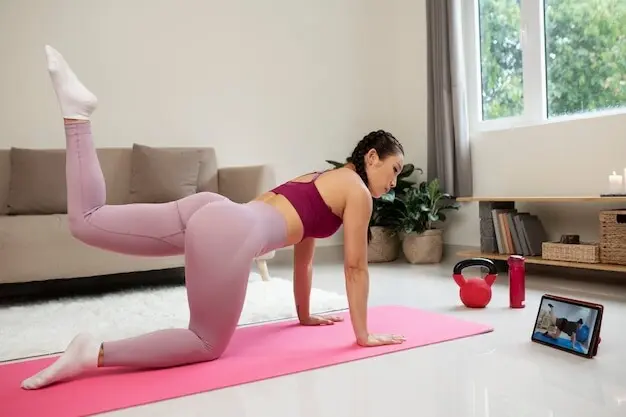
This compact sequence fits a five-minute window and requires no equipment. It targets the most overworked desk zones while waking the hips and eyes. Start gently, breathe slowly, and move within a painless range. Over time, extend repetitions or add light resistance. The goal is relief, circulation, and readiness, not chasing intensity. Finish feeling taller, calmer, and primed for the next deep session.

Designing Environment Cues

Place a mobility band on your chair, a lacrosse ball near your mouse, and a printed micro-sequence on your monitor’s bezel. These visible anchors remind you to move when the timer rings. Create micro-stations—a doorway for hangs, a wall for thoracic opens—so each break begins instantly without hesitation, reducing the negotiation that often derails healthy habits during crunch periods.

Tiny Wins and Tracking

Use a simple grid to mark each completed break and jot one word describing how you feel afterward. Patterns emerge quickly: better focus, slower breathing, steadier posture. When motivation dips, the record proves effectiveness, keeping you engaged. Over weeks, celebrate streaks and refine sequences, adding variety without complexity. The aim is consistency that compounds, not perfection that collapses under unrealistic pressure.

Stories from the Sprint Line

Real people are transforming workdays with simple motion. An engineer found headaches fading after two weeks of regular neck glides and vision breaks. A writer’s afternoon slump lifted once hip hinges replaced extra coffee. These shifts are small, practical, and repeatable. Try them, notice the difference, and adapt the playbook until it fits your unique projects, constraints, and ambitions perfectly.

Join the Movement Break Challenge

Turn intention into momentum by committing to two weeks of consistent sprint-and-move cycles. Share your favorite three-drill sequence, invite a teammate, and compare notes on energy, posture, and focus. We will feature standout routines and clever adaptations that fit real schedules. Subscribe for weekly mini-flows, reply with your wins, and help others refine their cadence with ideas that genuinely work.
Piranovikaroloro
Privacy Overview

This website uses cookies so that we can provide you with the best user experience possible. Cookie information is stored in your browser and performs functions such as recognising you when you return to our website and helping our team to understand which sections of the website you find most interesting and useful.